Overview: Rising Tensions in the Middle East
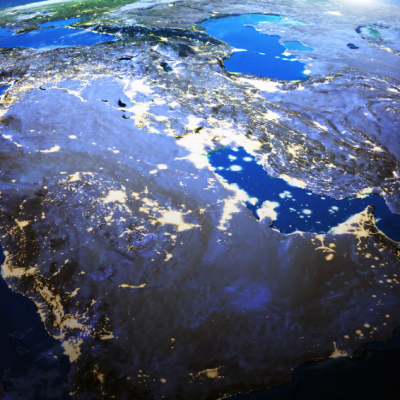
The geopolitical situation in the Middle East has deteriorated rapidly in recent weeks and is now considered highly unstable. Following military strikes involving the United States and Israel against Iran, the region has experienced a wave of retaliatory actions including missile launches and drone attacks targeting several areas across the Gulf.
Security experts warn that the situation could worsen in the coming days or weeks as tensions continue to escalate between regional powers.
Travel across the region is now considered extremely risky. Authorities and security analysts are warning that any non-essential travel to the Middle East should be avoided due to the possibility of further military escalation.
Several countries across the Gulf, including the United Arab Emirates and Qatar, have increased their security alert levels. While these nations are not directly involved in the conflict, the proximity to ongoing military activity significantly raises the level of risk.
For travelers and expatriates currently in the region, the situation has become increasingly uncertain and potentially dangerous.
Security Situation in the United Arab Emirates
The United Arab Emirates, including major cities such as Dubai and Abu Dhabi, has reinforced security measures following reports of intercepted drones and missile threats linked to the regional conflict.
Air defense systems have been placed on high alert and authorities have increased surveillance around strategic infrastructure including airports, ports and energy facilities.
Although authorities have attempted to maintain normal operations, the security situation remains unpredictable. Any escalation in the conflict could quickly impact safety conditions within the country.
Travelers and residents are strongly advised to remain vigilant and follow official government instructions.
Situation in Qatar
Qatar has also entered a heightened security posture as tensions in the region continue to rise.
Security forces have reinforced protection around critical installations including energy infrastructure and international military bases. Airspace monitoring has increased and precautionary restrictions have been implemented during periods of heightened threat.
As one of the world’s largest aviation hubs, Doha has been particularly affected by the regional instability. Authorities continue to monitor the situation closely as further developments could impact transportation and public safety.
Impact on Aviation and Travel
One of the most visible consequences of the escalating tensions is the disruption of air travel across the Middle East.
Several airports in the region have experienced temporary closures or operational disruptions due to security concerns and airspace restrictions. Airlines have been forced to reroute flights or suspend operations on certain routes.
As a result, thousands of travelers have found themselves stranded in various countries across the region. Many passengers are currently trying to return to their home countries but are facing significant challenges due to limited flight availability and rapidly changing aviation conditions.
Travelers planning to visit the region should strongly reconsider their plans, as transportation networks remain highly unstable and further disruptions are likely.
Safety Tips for Travelers and Expatriates
For those currently located in the Gulf region, it is essential to take precautionary measures and remain prepared for potential changes in the security environment.
Follow official government updates
Always rely on official sources such as government announcements, embassy advisories and airline communications. The situation is evolving quickly and misinformation can spread easily online.
Register with your embassy
Citizens abroad should register with their embassy or consulate as soon as possible. This allows diplomatic authorities to provide assistance, share safety updates or coordinate emergency evacuations if necessary.
Avoid sensitive locations
Travelers should avoid areas that may become potential targets during geopolitical tensions. These include military bases, government buildings, energy facilities, industrial zones and major ports.
Prepare an emergency plan
Residents and travelers should prepare a basic emergency plan in case the situation worsens. This includes keeping important documents accessible, maintaining emergency contact lists and preparing essential supplies.
Monitor flight and transport updates
Due to airport closures and airspace restrictions, travelers must regularly check airline updates and transportation announcements. Flight schedules may change rapidly and routes may be suspended without notice.
Frequently Asked Questions
Is it safe to travel to the United Arab Emirates right now
Due to the ongoing regional tensions, travel to the Middle East currently carries increased risk. Security conditions may change rapidly and non-essential travel to the region is strongly discouraged.
Are flights to Dubai or Doha canceled
Many flights have been delayed, rerouted or temporarily suspended due to airspace restrictions and security concerns. Some airports have also experienced temporary closures, leaving many travelers stranded.
Are expatriates leaving the region
Some expatriates and international workers are attempting to leave the region due to growing security concerns and uncertainty regarding further escalation of the conflict.
What are the main risks currently
The primary risks include missile or drone attacks, sudden escalation of military activity, airspace closures and major disruptions to international transportation networks.
Should tourists cancel their trips to the Gulf
Given the current instability and aviation disruptions, tourists are strongly advised to postpone or cancel travel plans to the region until the security situation stabilizes.
Conclusion
The Middle East is currently facing one of its most volatile security situations in recent years. Rising geopolitical tensions and ongoing military activity have created a highly uncertain environment across the Gulf region.
Travelers and expatriates should exercise extreme caution. Non-essential travel to the region is strongly discouraged, and those already present should closely follow official safety instructions and remain prepared for possible disruptions.
With airports affected, flights disrupted and thousands of travelers struggling to return home, the situation remains fluid and could deteriorate further.
Flyoza strongly recommends monitoring official government advisories and avoiding travel to the Middle East until stability returns to the region.